

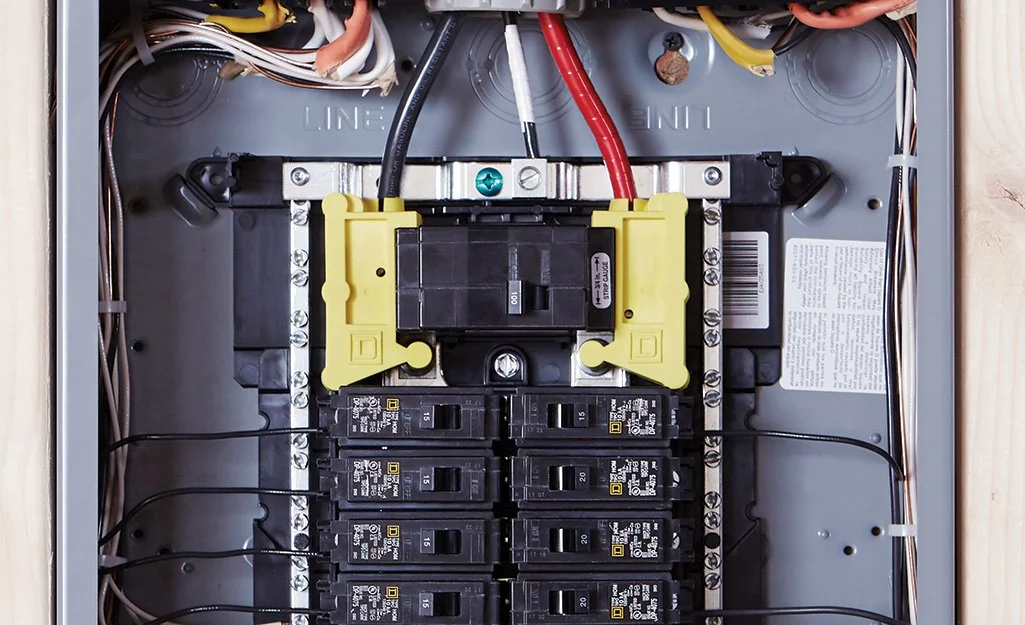
How to Reset a Tripped Circuit Breaker Safely
How to Reset a Tripped Circuit Breaker Safely
Have you ever lost power to a room in your home and wondered what happened? In many cases, the problem is a tripped circuit breaker.
Circuit breakers are designed to protect your home's electrical system by automatically shutting off power when they detect an overload, short circuit, or other electrical fault. Knowing how to safely reset a breaker can help restore power quickly and help you recognize when it's time to call an electrician.
At Unity Electrical Service, we help homeowners throughout the Portland area troubleshoot electrical problems and safely restore power when breaker issues occur.
What Is a Circuit Breaker?
A circuit breaker is a safety device located inside your electrical panel. Each breaker protects a specific circuit in your home, such as:
Bedroom outlets
Kitchen appliances
Bathroom outlets
Garage circuits
Lighting circuits
When too much electricity flows through a circuit or an electrical fault occurs, the breaker "trips" and shuts off power to prevent overheating, equipment damage, or electrical fires.
How Do You Know a Breaker Has Tripped?
Common signs of a tripped breaker include:
Power loss in one room or area
Outlets that suddenly stop working
Lights that go out unexpectedly
Appliances losing power
A breaker handle positioned between ON and OFF
Unlike a GFCI outlet, a tripped breaker is located inside your electrical panel.
How to Reset a Circuit Breaker
If you suspect a breaker has tripped, follow these steps:
Step 1: Turn Off Appliances
Before resetting the breaker, unplug or turn off devices connected to the affected circuit.
This helps prevent an immediate overload when power is restored.
Step 2: Locate Your Electrical Panel
Most electrical panels are located in:
Garages
Utility rooms
Basements
Laundry rooms
Exterior walls
Open the panel door and look for a breaker that is not fully in the ON position.
Step 3: Find the Tripped Breaker
A tripped breaker is often:
Positioned in the middle
Slightly off center
Showing a visible trip indicator
It may not always be obvious, so inspect each breaker carefully.
Step 4: Move the Breaker Fully to OFF
This step is important.
Before resetting, push the breaker completely to the OFF position until it clicks.
Step 5: Turn the Breaker Back ON
Firmly move the breaker back to the ON position.
If the breaker stays on, power should be restored.
Step 6: Test the Circuit
Turn on lights or plug in a device to confirm the circuit is working again.
If everything operates normally, the breaker may have tripped due to a temporary overload.
Why Do Circuit Breakers Trip?
Breakers trip for a reason. Common causes include:
Circuit Overloads
Too many devices running on one circuit can exceed its capacity.
Examples include:
Space heaters
Microwaves
Hair dryers
Portable air conditioners
Short Circuits
A short circuit occurs when electricity takes an unintended path, causing a sudden surge of current.
Ground Faults
Ground faults happen when electricity escapes the intended circuit path and flows to ground.
These faults commonly occur in kitchens, bathrooms, garages, and outdoor circuits.
Faulty Appliances
A malfunctioning appliance may cause the breaker to trip repeatedly.
Damaged Wiring
Loose, worn, or damaged wiring can create dangerous electrical conditions that trigger breaker trips.
What If the Breaker Won't Reset?
If a breaker immediately trips again after resetting, do not continue forcing it on.
This often indicates:
A short circuit
Ground fault
Faulty appliance
Damaged wiring
Defective breaker
Repeatedly resetting a breaker without addressing the underlying problem can create safety risks.
When Should You Call an Electrician?
Contact a licensed electrician if:
The breaker trips repeatedly
Multiple breakers trip frequently
You smell burning odors
The panel feels warm
You hear buzzing sounds
Lights flicker regularly
The breaker won't stay on
These symptoms may indicate a more serious electrical issue that requires professional diagnosis.
Can a Circuit Breaker Wear Out?
Yes.
While breakers are designed to last many years, they can eventually fail.
Signs of a failing breaker include:
Frequent nuisance tripping
Difficulty resetting
Visible damage
Burning smells
Excessive heat
A licensed electrician can determine whether the breaker or another part of the electrical system is causing the problem.
Trust Unity Electrical Service for Breaker Troubleshooting and Repairs
If you're experiencing breaker problems, Unity Electrical Service can help.
Our electricians provide:
Circuit breaker troubleshooting
Electrical panel repairs
Breaker replacement
Electrical safety inspections
Panel upgrades
Whole-home electrical diagnostics
We proudly serve homeowners throughout Portland and the surrounding communities with reliable, professional electrical services.
Need Help With a Breaker That Keeps Tripping?
If your breaker won't reset or continues tripping, don't ignore the warning signs.
Contact Unity Electrical Service today for professional electrical troubleshooting and repair services. We'll identify the cause, make the necessary repairs, and help keep your home's electrical system safe and reliable.
Have you ever lost power to a room in your home and wondered what happened? In many cases, the problem is a tripped circuit breaker.
Circuit breakers are designed to protect your home's electrical system by automatically shutting off power when they detect an overload, short circuit, or other electrical fault. Knowing how to safely reset a breaker can help restore power quickly and help you recognize when it's time to call an electrician.
At Unity Electrical Service, we help homeowners throughout the Portland area troubleshoot electrical problems and safely restore power when breaker issues occur.
What Is a Circuit Breaker?
A circuit breaker is a safety device located inside your electrical panel. Each breaker protects a specific circuit in your home, such as:
Bedroom outlets
Kitchen appliances
Bathroom outlets
Garage circuits
Lighting circuits
When too much electricity flows through a circuit or an electrical fault occurs, the breaker "trips" and shuts off power to prevent overheating, equipment damage, or electrical fires.
How Do You Know a Breaker Has Tripped?
Common signs of a tripped breaker include:
Power loss in one room or area
Outlets that suddenly stop working
Lights that go out unexpectedly
Appliances losing power
A breaker handle positioned between ON and OFF
Unlike a GFCI outlet, a tripped breaker is located inside your electrical panel.
How to Reset a Circuit Breaker
If you suspect a breaker has tripped, follow these steps:
Step 1: Turn Off Appliances
Before resetting the breaker, unplug or turn off devices connected to the affected circuit.
This helps prevent an immediate overload when power is restored.
Step 2: Locate Your Electrical Panel
Most electrical panels are located in:
Garages
Utility rooms
Basements
Laundry rooms
Exterior walls
Open the panel door and look for a breaker that is not fully in the ON position.
Step 3: Find the Tripped Breaker
A tripped breaker is often:
Positioned in the middle
Slightly off center
Showing a visible trip indicator
It may not always be obvious, so inspect each breaker carefully.
Step 4: Move the Breaker Fully to OFF
This step is important.
Before resetting, push the breaker completely to the OFF position until it clicks.
Step 5: Turn the Breaker Back ON
Firmly move the breaker back to the ON position.
If the breaker stays on, power should be restored.
Step 6: Test the Circuit
Turn on lights or plug in a device to confirm the circuit is working again.
If everything operates normally, the breaker may have tripped due to a temporary overload.
Why Do Circuit Breakers Trip?
Breakers trip for a reason. Common causes include:
Circuit Overloads
Too many devices running on one circuit can exceed its capacity.
Examples include:
Space heaters
Microwaves
Hair dryers
Portable air conditioners
Short Circuits
A short circuit occurs when electricity takes an unintended path, causing a sudden surge of current.
Ground Faults
Ground faults happen when electricity escapes the intended circuit path and flows to ground.
These faults commonly occur in kitchens, bathrooms, garages, and outdoor circuits.
Faulty Appliances
A malfunctioning appliance may cause the breaker to trip repeatedly.
Damaged Wiring
Loose, worn, or damaged wiring can create dangerous electrical conditions that trigger breaker trips.
What If the Breaker Won't Reset?
If a breaker immediately trips again after resetting, do not continue forcing it on.
This often indicates:
A short circuit
Ground fault
Faulty appliance
Damaged wiring
Defective breaker
Repeatedly resetting a breaker without addressing the underlying problem can create safety risks.
When Should You Call an Electrician?
Contact a licensed electrician if:
The breaker trips repeatedly
Multiple breakers trip frequently
You smell burning odors
The panel feels warm
You hear buzzing sounds
Lights flicker regularly
The breaker won't stay on
These symptoms may indicate a more serious electrical issue that requires professional diagnosis.
Can a Circuit Breaker Wear Out?
Yes.
While breakers are designed to last many years, they can eventually fail.
Signs of a failing breaker include:
Frequent nuisance tripping
Difficulty resetting
Visible damage
Burning smells
Excessive heat
A licensed electrician can determine whether the breaker or another part of the electrical system is causing the problem.
Trust Unity Electrical Service for Breaker Troubleshooting and Repairs
If you're experiencing breaker problems, Unity Electrical Service can help.
Our electricians provide:
Circuit breaker troubleshooting
Electrical panel repairs
Breaker replacement
Electrical safety inspections
Panel upgrades
Whole-home electrical diagnostics
We proudly serve homeowners throughout Portland and the surrounding communities with reliable, professional electrical services.
Need Help With a Breaker That Keeps Tripping?
If your breaker won't reset or continues tripping, don't ignore the warning signs.
Contact Unity Electrical Service today for professional electrical troubleshooting and repair services. We'll identify the cause, make the necessary repairs, and help keep your home's electrical system safe and reliable.
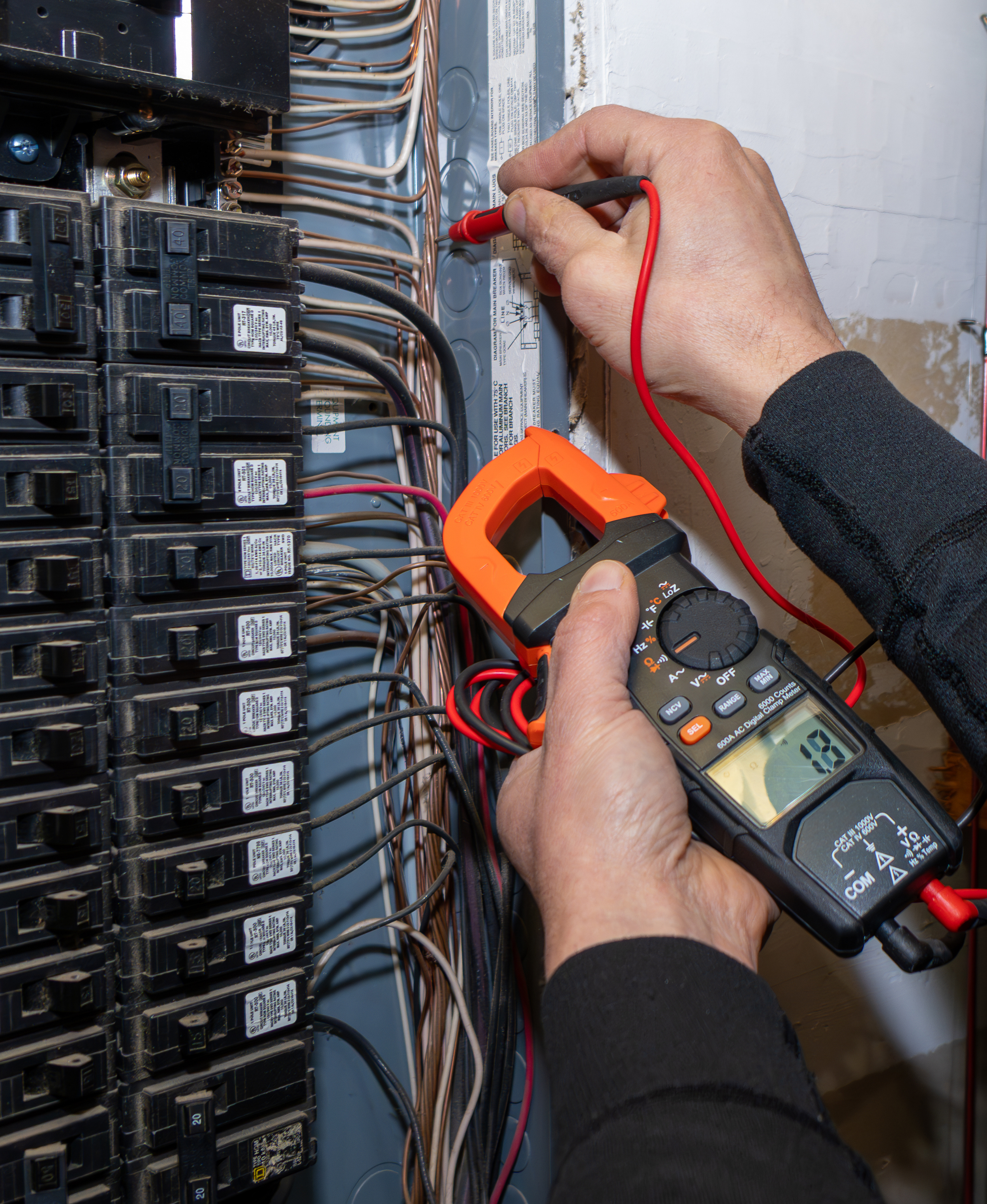
Electrical Troubleshooting
Electrical Troubleshooting: When to Call a Licensed Electrician
Electrical problems can be frustrating, inconvenient, and sometimes dangerous. Whether you’re dealing with flickering lights, tripping breakers, dead outlets, or unexplained power loss, electrical troubleshooting is the process of identifying the source of the problem and fixing it safely.
At Unity Electrical Service, we provide professional electrical troubleshooting for homeowners and businesses throughout the Portland metro area. Our goal is to find the issue quickly, explain what’s happening clearly, and make reliable repairs that keep your property safe.
Common Electrical Problems We Troubleshoot
Flickering or Dimming Lights
A light that flickers once in a while may seem minor, but frequent flickering can point to loose wiring, overloaded circuits, failing switches, or panel issues. If lights dim when appliances turn on, your electrical system may be struggling with demand.
Breakers That Keep Tripping
Circuit breakers are designed to protect your home from overloads and electrical faults. If a breaker trips repeatedly, there is usually a reason. Common causes include overloaded circuits, short circuits, ground faults, faulty appliances, or damaged wiring.
Dead Outlets
A dead outlet may be caused by a tripped GFCI, loose connection, failed receptacle, or wiring problem. In some cases, multiple outlets may stop working because they are connected on the same circuit.
Buzzing Sounds or Burning Smells
Buzzing, crackling, or a burning odor near outlets, switches, light fixtures, or your electrical panel should never be ignored. These may be signs of overheating, arcing, or loose electrical connections.
Warm Outlets or Switches
Outlets and switches should not feel hot to the touch. Excess heat can indicate overloaded wiring, poor connections, or failing electrical devices.
Partial Power Loss
If part of your home loses power while the rest still works, the issue could be with a circuit, breaker, panel connection, or utility service. A licensed electrician can safely determine where the problem is coming from.
Why Electrical Troubleshooting Matters
Electrical problems rarely fix themselves. Small issues can become larger hazards if left unresolved. Professional troubleshooting helps protect your home by identifying hidden problems before they cause damage.
Proper troubleshooting can help prevent:
Electrical fires
Shock hazards
Damage to appliances and electronics
Repeated breaker trips
Power interruptions
Costly emergency repairs
Why DIY Electrical Troubleshooting Can Be Risky
It may be tempting to reset a breaker, replace an outlet, or search online for a quick fix. While some basic checks are safe, electrical systems can be dangerous when handled incorrectly.
DIY electrical work can lead to:
Personal injury
Fire hazards
Code violations
Damaged wiring
Failed inspections
Insurance issues
If you are unsure what is causing an electrical problem, it is always best to call a licensed electrician.
What to Expect When Unity Electrical Service Troubleshoots Your Electrical Issue
Our troubleshooting process is thorough and practical. We don’t guess—we test, inspect, and verify.
When you call Unity Electrical Service, we may:
Ask about the symptoms you are experiencing
Inspect outlets, switches, fixtures, breakers, or panels
Test circuits and connections
Check for overloaded or damaged wiring
Identify the root cause of the problem
Explain your repair options
Complete the repair safely and professionally
Our electricians arrive prepared with the tools and experience needed to diagnose many common electrical issues on the spot.
When Should You Call an Electrician?
You should contact a licensed electrician if you notice:
Breakers tripping repeatedly
Lights flickering often
Outlets that do not work
Burning smells or scorch marks
Buzzing sounds from electrical devices
Warm outlets or switches
Sparks when plugging something in
Power loss in part of your home
Electrical problems after a remodel or appliance installation
These signs may indicate wiring issues, overloaded circuits, or other electrical hazards that require professional attention.
Electrical Troubleshooting for Homes and Businesses
Unity Electrical Service provides troubleshooting for both residential and commercial electrical systems. Whether it’s a single dead outlet in your home or recurring electrical issues at your business, we can help restore safe, reliable power.
Our services include:
Outlet and switch troubleshooting
Breaker and panel diagnostics
Lighting circuit repairs
GFCI and AFCI troubleshooting
Circuit overload identification
Wiring inspections
Fixture and appliance circuit diagnostics
Emergency electrical issue evaluation
Choose Unity Electrical Service for Electrical Troubleshooting
Electrical issues can be stressful, but finding the right electrician does not have to be. Unity Electrical Service is committed to safe workmanship, honest communication, and dependable service.
When you choose us, you get:
Licensed electrical professionals
Clear explanations
Accurate diagnostics
Safe, code-compliant repairs
Reliable service throughout the Portland metro area
Schedule Electrical Troubleshooting Today
If you are dealing with flickering lights, tripping breakers, dead outlets, or any other electrical concern, contact Unity Electrical Service today.
We will diagnose the issue, explain the cause, and provide the right repair to keep your home or business safe and powered properly.
Electrical Troubleshooting: When to Call a Licensed Electrician
Electrical problems can be frustrating, inconvenient, and sometimes dangerous. Whether you’re dealing with flickering lights, tripping breakers, dead outlets, or unexplained power loss, electrical troubleshooting is the process of identifying the source of the problem and fixing it safely.
At Unity Electrical Service, we provide professional electrical troubleshooting for homeowners and businesses throughout the Portland metro area. Our goal is to find the issue quickly, explain what’s happening clearly, and make reliable repairs that keep your property safe.
Common Electrical Problems We Troubleshoot
Flickering or Dimming Lights
A light that flickers once in a while may seem minor, but frequent flickering can point to loose wiring, overloaded circuits, failing switches, or panel issues. If lights dim when appliances turn on, your electrical system may be struggling with demand.
Breakers That Keep Tripping
Circuit breakers are designed to protect your home from overloads and electrical faults. If a breaker trips repeatedly, there is usually a reason. Common causes include overloaded circuits, short circuits, ground faults, faulty appliances, or damaged wiring.
Dead Outlets
A dead outlet may be caused by a tripped GFCI, loose connection, failed receptacle, or wiring problem. In some cases, multiple outlets may stop working because they are connected on the same circuit.
Buzzing Sounds or Burning Smells
Buzzing, crackling, or a burning odor near outlets, switches, light fixtures, or your electrical panel should never be ignored. These may be signs of overheating, arcing, or loose electrical connections.
Warm Outlets or Switches
Outlets and switches should not feel hot to the touch. Excess heat can indicate overloaded wiring, poor connections, or failing electrical devices.
Partial Power Loss
If part of your home loses power while the rest still works, the issue could be with a circuit, breaker, panel connection, or utility service. A licensed electrician can safely determine where the problem is coming from.
Why Electrical Troubleshooting Matters
Electrical problems rarely fix themselves. Small issues can become larger hazards if left unresolved. Professional troubleshooting helps protect your home by identifying hidden problems before they cause damage.
Proper troubleshooting can help prevent:
Electrical fires
Shock hazards
Damage to appliances and electronics
Repeated breaker trips
Power interruptions
Costly emergency repairs
Why DIY Electrical Troubleshooting Can Be Risky
It may be tempting to reset a breaker, replace an outlet, or search online for a quick fix. While some basic checks are safe, electrical systems can be dangerous when handled incorrectly.
DIY electrical work can lead to:
Personal injury
Fire hazards
Code violations
Damaged wiring
Failed inspections
Insurance issues
If you are unsure what is causing an electrical problem, it is always best to call a licensed electrician.
What to Expect When Unity Electrical Service Troubleshoots Your Electrical Issue
Our troubleshooting process is thorough and practical. We don’t guess—we test, inspect, and verify.
When you call Unity Electrical Service, we may:
Ask about the symptoms you are experiencing
Inspect outlets, switches, fixtures, breakers, or panels
Test circuits and connections
Check for overloaded or damaged wiring
Identify the root cause of the problem
Explain your repair options
Complete the repair safely and professionally
Our electricians arrive prepared with the tools and experience needed to diagnose many common electrical issues on the spot.
When Should You Call an Electrician?
You should contact a licensed electrician if you notice:
Breakers tripping repeatedly
Lights flickering often
Outlets that do not work
Burning smells or scorch marks
Buzzing sounds from electrical devices
Warm outlets or switches
Sparks when plugging something in
Power loss in part of your home
Electrical problems after a remodel or appliance installation
These signs may indicate wiring issues, overloaded circuits, or other electrical hazards that require professional attention.
Electrical Troubleshooting for Homes and Businesses
Unity Electrical Service provides troubleshooting for both residential and commercial electrical systems. Whether it’s a single dead outlet in your home or recurring electrical issues at your business, we can help restore safe, reliable power.
Our services include:
Outlet and switch troubleshooting
Breaker and panel diagnostics
Lighting circuit repairs
GFCI and AFCI troubleshooting
Circuit overload identification
Wiring inspections
Fixture and appliance circuit diagnostics
Emergency electrical issue evaluation
Choose Unity Electrical Service for Electrical Troubleshooting
Electrical issues can be stressful, but finding the right electrician does not have to be. Unity Electrical Service is committed to safe workmanship, honest communication, and dependable service.
When you choose us, you get:
Licensed electrical professionals
Clear explanations
Accurate diagnostics
Safe, code-compliant repairs
Reliable service throughout the Portland metro area
Schedule Electrical Troubleshooting Today
If you are dealing with flickering lights, tripping breakers, dead outlets, or any other electrical concern, contact Unity Electrical Service today.
We will diagnose the issue, explain the cause, and provide the right repair to keep your home or business safe and powered properly.

ADU - Electrical Wiring
ADU Electrical Wiring in Portland, Oregon: What Homeowners Need to Know
Accessory Dwelling Units (ADUs) have become one of the most popular ways for Portland homeowners to add living space, generate rental income, and increase property value. Whether you're building a detached backyard cottage, converting a garage, or creating a basement apartment, one of the most important parts of the project is the electrical system.
At Unity Electrical Service, we specialize in ADU electrical wiring throughout Portland and the surrounding metro area. From service upgrades to complete electrical installations, our licensed electricians help ensure your ADU is safe, efficient, and fully code compliant.
What Is an ADU?
An Accessory Dwelling Unit (ADU) is a secondary residential unit located on the same property as a primary home. ADUs typically include:
A kitchen
Bathroom
Living area
Separate entrance
Independent electrical systems
As Portland continues to face housing shortages, ADUs have become a popular solution for homeowners looking to maximize their property's potential.
Does an ADU Need Its Own Electrical Service?
Not always.
Many Portland ADUs are powered through the existing electrical service of the main house. However, the electrical system must be properly sized to handle the additional demand.
Before construction begins, an electrician performs a load calculation to determine whether the existing service can support the ADU. In many cases, homeowners discover that a panel upgrade is necessary.
Common upgrades include:
100-amp to 200-amp service upgrades
Electrical panel replacements
New subpanel installations
Additional circuits for ADU loads
Electrical Requirements for Portland ADUs
Every ADU has unique electrical needs, but most projects require wiring for:
Kitchen Appliances
Modern ADUs often include:
Electric ranges
Refrigerators
Dishwashers
Microwaves
Garbage disposals
Each appliance may require dedicated circuits under current electrical codes.
Heating and Cooling Systems
Portland homeowners commonly install:
Ductless mini-split heat pumps
Electric wall heaters
Baseboard heating systems
Heat pumps are often the most energy-efficient option and require dedicated electrical circuits.
Lighting and Receptacles
Every room must meet National Electrical Code (NEC) requirements for:
General lighting
GFCI protection
AFCI protection
Receptacle spacing
Exterior lighting
Laundry Equipment
Many ADUs include stackable washers and dryers, which often require dedicated circuits and 240-volt wiring.
Water Heating Systems
Electric tank water heaters and tankless water heaters frequently require substantial electrical capacity and must be accounted for during system design.
Common Electrical Challenges in ADU Construction
Limited Existing Electrical Capacity
Many Portland homes were built decades ago and were never designed to support a second dwelling unit. An outdated panel can quickly become overloaded once an ADU is added.
Underground Power Installation
Detached ADUs often require underground conduit and feeder wiring between the primary residence and the new structure.
Proper trench depth, conduit sizing, and wiring methods are essential for safety and code compliance.
Future Expansion Planning
Many homeowners eventually add:
EV chargers
Solar systems
Battery backup systems
Additional outdoor lighting
A properly designed electrical system allows for future upgrades without costly rewiring.
Do You Need Permits for ADU Electrical Work in Portland?
Yes.
Electrical permits and inspections are required for ADU construction in Portland. Electrical systems must comply with Oregon Electrical Specialty Code requirements and pass inspection before occupancy.
Working with a licensed electrical contractor helps ensure:
Proper permitting
Code-compliant installation
Successful inspections
Safe long-term operation
At Unity Electrical Service, we coordinate permitting and inspections as part of our ADU electrical services.
Benefits of Hiring a Licensed Electrician for Your ADU Project
ADU electrical systems are far more complex than simply adding a few outlets.
Professional installation provides:
Safety
Properly installed wiring reduces the risk of electrical fires, overloaded circuits, and equipment failures.
Code Compliance
Electrical code requirements continue to evolve. Licensed electricians stay current with local and national regulations.
Reliability
A well-designed system prevents nuisance breaker trips and power issues after the ADU is occupied.
Increased Property Value
Buyers and appraisers recognize the value of professionally installed electrical systems when evaluating ADU-equipped properties.
Why Portland Homeowners Choose Unity Electrical Service
Building an ADU is a significant investment, and your electrical system plays a critical role in its success.
Unity Electrical Service provides:
Complete ADU electrical wiring
Electrical panel upgrades
Subpanel installations
Underground feeder installation
Lighting design and installation
EV charger preparation
Permit and inspection coordination
Code-compliant workmanship
Whether you're building a rental unit, guest house, multigenerational living space, or backyard cottage, our team can help design and install an electrical system that meets your needs today and supports future growth.
Planning an ADU in Portland?
If you're considering building an ADU in Portland or the surrounding area, contact Unity Electrical Service early in the planning process. Proper electrical design can save time, reduce construction costs, and help avoid delays during permitting and inspections.
Schedule a consultation today and let our experienced electricians help bring your ADU project to life.
ADU Electrical Wiring in Portland, Oregon: What Homeowners Need to Know
Accessory Dwelling Units (ADUs) have become one of the most popular ways for Portland homeowners to add living space, generate rental income, and increase property value. Whether you're building a detached backyard cottage, converting a garage, or creating a basement apartment, one of the most important parts of the project is the electrical system.
At Unity Electrical Service, we specialize in ADU electrical wiring throughout Portland and the surrounding metro area. From service upgrades to complete electrical installations, our licensed electricians help ensure your ADU is safe, efficient, and fully code compliant.
What Is an ADU?
An Accessory Dwelling Unit (ADU) is a secondary residential unit located on the same property as a primary home. ADUs typically include:
A kitchen
Bathroom
Living area
Separate entrance
Independent electrical systems
As Portland continues to face housing shortages, ADUs have become a popular solution for homeowners looking to maximize their property's potential.
Does an ADU Need Its Own Electrical Service?
Not always.
Many Portland ADUs are powered through the existing electrical service of the main house. However, the electrical system must be properly sized to handle the additional demand.
Before construction begins, an electrician performs a load calculation to determine whether the existing service can support the ADU. In many cases, homeowners discover that a panel upgrade is necessary.
Common upgrades include:
100-amp to 200-amp service upgrades
Electrical panel replacements
New subpanel installations
Additional circuits for ADU loads
Electrical Requirements for Portland ADUs
Every ADU has unique electrical needs, but most projects require wiring for:
Kitchen Appliances
Modern ADUs often include:
Electric ranges
Refrigerators
Dishwashers
Microwaves
Garbage disposals
Each appliance may require dedicated circuits under current electrical codes.
Heating and Cooling Systems
Portland homeowners commonly install:
Ductless mini-split heat pumps
Electric wall heaters
Baseboard heating systems
Heat pumps are often the most energy-efficient option and require dedicated electrical circuits.
Lighting and Receptacles
Every room must meet National Electrical Code (NEC) requirements for:
General lighting
GFCI protection
AFCI protection
Receptacle spacing
Exterior lighting
Laundry Equipment
Many ADUs include stackable washers and dryers, which often require dedicated circuits and 240-volt wiring.
Water Heating Systems
Electric tank water heaters and tankless water heaters frequently require substantial electrical capacity and must be accounted for during system design.
Common Electrical Challenges in ADU Construction
Limited Existing Electrical Capacity
Many Portland homes were built decades ago and were never designed to support a second dwelling unit. An outdated panel can quickly become overloaded once an ADU is added.
Underground Power Installation
Detached ADUs often require underground conduit and feeder wiring between the primary residence and the new structure.
Proper trench depth, conduit sizing, and wiring methods are essential for safety and code compliance.
Future Expansion Planning
Many homeowners eventually add:
EV chargers
Solar systems
Battery backup systems
Additional outdoor lighting
A properly designed electrical system allows for future upgrades without costly rewiring.
Do You Need Permits for ADU Electrical Work in Portland?
Yes.
Electrical permits and inspections are required for ADU construction in Portland. Electrical systems must comply with Oregon Electrical Specialty Code requirements and pass inspection before occupancy.
Working with a licensed electrical contractor helps ensure:
Proper permitting
Code-compliant installation
Successful inspections
Safe long-term operation
At Unity Electrical Service, we coordinate permitting and inspections as part of our ADU electrical services.
Benefits of Hiring a Licensed Electrician for Your ADU Project
ADU electrical systems are far more complex than simply adding a few outlets.
Professional installation provides:
Safety
Properly installed wiring reduces the risk of electrical fires, overloaded circuits, and equipment failures.
Code Compliance
Electrical code requirements continue to evolve. Licensed electricians stay current with local and national regulations.
Reliability
A well-designed system prevents nuisance breaker trips and power issues after the ADU is occupied.
Increased Property Value
Buyers and appraisers recognize the value of professionally installed electrical systems when evaluating ADU-equipped properties.
Why Portland Homeowners Choose Unity Electrical Service
Building an ADU is a significant investment, and your electrical system plays a critical role in its success.
Unity Electrical Service provides:
Complete ADU electrical wiring
Electrical panel upgrades
Subpanel installations
Underground feeder installation
Lighting design and installation
EV charger preparation
Permit and inspection coordination
Code-compliant workmanship
Whether you're building a rental unit, guest house, multigenerational living space, or backyard cottage, our team can help design and install an electrical system that meets your needs today and supports future growth.
Planning an ADU in Portland?
If you're considering building an ADU in Portland or the surrounding area, contact Unity Electrical Service early in the planning process. Proper electrical design can save time, reduce construction costs, and help avoid delays during permitting and inspections.
Schedule a consultation today and let our experienced electricians help bring your ADU project to life.
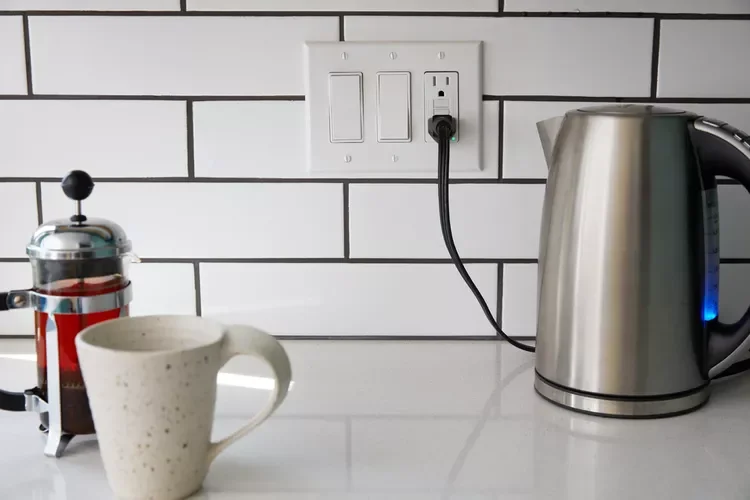
GFCIs (Ground Fault Circuit Interrupters)
GFCI Outlets Explained: How They Work, Why They Trip, How to Reset Them, and When to Replace Them
Have you ever plugged something into a bathroom or kitchen outlet only to discover it suddenly stopped working? Before assuming there's a major electrical problem, the issue may be a tripped GFCI outlet.
Ground Fault Circuit Interrupter (GFCI) outlets are one of the most important safety devices in modern homes. They help prevent electrical shock and are required in areas where electricity and water may come into contact.
At Unity Electrical Service, we often receive calls from homeowners throughout the Portland area about outlets that suddenly stop working. In many cases, a GFCI outlet has done exactly what it was designed to do—protect people from electrical hazards.
Let's take a closer look at how GFCIs work, why they trip, how to reset them, and when it's time for replacement.
What Is a GFCI Outlet?
A GFCI (Ground Fault Circuit Interrupter) outlet is a special electrical outlet designed to quickly shut off power when it detects an electrical imbalance.
Under normal conditions, electricity flows out through the hot wire and returns through the neutral wire. A GFCI constantly monitors this flow.
If even a small amount of electricity takes an unintended path—such as through water, a wet surface, or a person—the GFCI detects the difference and shuts off power in a fraction of a second.
This rapid response helps prevent serious electrical shock and electrocution.
Where Are GFCI Outlets Required?
Current electrical codes require GFCI protection in areas where moisture is present, including:
Bathrooms
Kitchens
Garages
Laundry rooms
Basements
Crawl spaces
Outdoor receptacles
Utility rooms
Wet bar areas
Many newer homes also use GFCI breakers in the electrical panel to provide protection for entire circuits.
How Does a GFCI Outlet Work?
Inside the outlet is a sensor that continuously compares the electrical current leaving and returning to the device.
If the outlet detects a difference as small as 4 to 6 milliamps, it assumes electricity may be leaking somewhere unsafe and immediately disconnects power.
This process happens in as little as 1/40th of a second.
Because of this fast response time, GFCIs have saved countless lives since becoming widely adopted in residential construction.
Why Do GFCI Outlets Trip?
Many homeowners assume a tripped GFCI means something is wrong with the outlet itself. Often, the outlet is simply doing its job.
Common reasons a GFCI trips include:
Moisture Exposure
Water is one of the most common causes of GFCI trips.
This can happen when:
Bathroom counters become wet
Outdoor outlets are exposed to rain
Garage outlets experience moisture intrusion
Kitchen appliances are used near sinks
Ground Faults
A damaged appliance, extension cord, or electrical device can allow electricity to leak to ground, causing the GFCI to trip.
Overloaded Circuits
While GFCIs are not primarily overload protection devices, overloaded circuits can sometimes contribute to nuisance tripping.
Worn-Out Appliances
Older appliances may develop internal electrical faults that trigger GFCI protection.
Loose Wiring
Loose electrical connections inside the outlet, electrical box, or connected devices can cause intermittent trips.
Faulty GFCI Outlet
Like any electrical device, GFCIs eventually wear out and may begin tripping unnecessarily.
How to Reset a GFCI Outlet
If your GFCI outlet has tripped, follow these steps:
Step 1: Unplug Devices
Disconnect any appliances or devices plugged into the outlet.
Step 2: Locate the GFCI
Look for an outlet with two buttons labeled:
TEST
RESET
Step 3: Press the RESET Button
Firmly press the RESET button until it clicks into place.
Step 4: Test the Outlet
Plug in a small device such as a lamp or phone charger to confirm power has been restored.
Step 5: Investigate Repeated Trips
If the outlet trips again immediately or continues tripping regularly, there may be an underlying electrical issue that requires professional troubleshooting.
Why Multiple Outlets May Stop Working
Many homeowners are surprised to discover that one GFCI outlet often protects several outlets downstream on the same circuit.
For example, a single GFCI in a garage may also protect:
Exterior outlets
Basement outlets
Nearby bathroom outlets
When the GFCI trips, all protected outlets lose power.
If multiple outlets stop working simultaneously, check nearby GFCI outlets before assuming there is a larger electrical problem.
When Should a GFCI Outlet Be Replaced?
GFCI outlets do not last forever.
Most manufacturers recommend replacement approximately every 10 years, though some may last longer depending on usage and environmental conditions.
Signs it may be time to replace a GFCI include:
The RESET Button Won't Stay Engaged
If the outlet immediately trips after resetting, it may be failing internally.
The TEST Button Doesn't Work
A GFCI that cannot properly test itself should be replaced.
Frequent Nuisance Tripping
Repeated trips without an obvious cause may indicate a worn-out device.
Visible Damage
Cracks, discoloration, burn marks, or melted plastic are signs that replacement is necessary.
Age
If the outlet is more than 10 years old and located in a high-use area, proactive replacement is often recommended.
Can I Replace a GFCI Outlet Myself?
While some homeowners are comfortable replacing receptacles, improper installation can create safety hazards.
Incorrect wiring may:
Prevent the GFCI from providing protection
Cause repeated trips
Create shock hazards
Violate electrical codes
A licensed electrician can verify proper wiring and ensure the outlet protects downstream circuits as intended.
Trust Unity Electrical Service for GFCI Installation and Troubleshooting
Whether you have a GFCI outlet that won't reset, keeps tripping, or simply needs replacement, Unity Electrical Service can help.
Our licensed electricians provide:
GFCI outlet replacement
Electrical troubleshooting
Outlet repairs
Circuit diagnostics
Electrical safety inspections
Code-compliant upgrades
We proudly serve homeowners throughout Portland and the surrounding communities with safe, reliable electrical services.
Need Help With a Tripping GFCI Outlet?
If your GFCI outlet won't reset, trips repeatedly, or you've lost power to multiple outlets, contact Unity Electrical Service today.
We'll identify the cause, make the necessary repairs, and ensure your home's electrical system is operating safely and reliably.
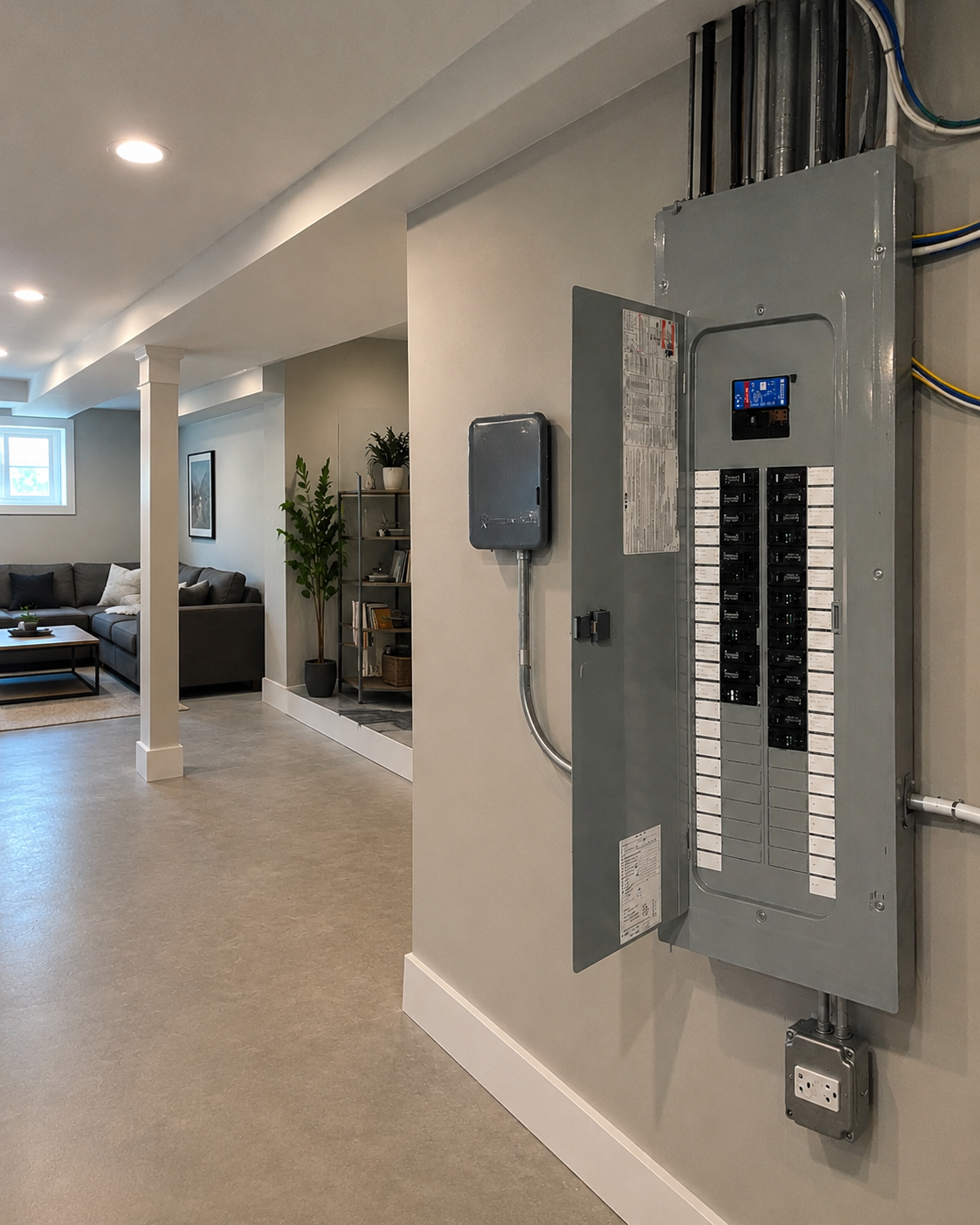
Electrical Panel Replacements
Electrical Panel Replacement in Portland, Oregon: Signs It's Time to Upgrade Your Home's Electrical System
As Portland homeowners continue adding electric vehicles, heat pumps, induction ranges, and smart home technology, many older electrical panels are struggling to keep up. If your home was built before the 1990s, your electrical panel may no longer provide the capacity or safety your family needs.
At Unity Electrical Service, we help homeowners throughout Portland upgrade outdated electrical panels to modern, code-compliant systems that support today's electrical demands.
What Is an Electrical Panel?
Your electrical panel, sometimes called a breaker box or service panel, is the central hub of your home's electrical system. It distributes electricity from the utility company to the circuits throughout your house while protecting your home from overloads and electrical faults.
When a panel becomes outdated, damaged, or undersized, it can create safety hazards and limit your ability to add new appliances or electrical equipment.
Signs You Need an Electrical Panel Replacement
1. Frequent Breaker Trips
If your breakers trip regularly when running multiple appliances, your panel may be overloaded. Modern homes require significantly more power than homes built 30 to 50 years ago.
2. Flickering or Dimming Lights
Lights that dim when large appliances start can indicate your electrical system is struggling to handle demand.
3. You Still Have a Fuse Box
Older fuse boxes were common decades ago but no longer meet the needs of most modern households. Upgrading to a breaker panel improves safety, convenience, and reliability.
4. You Have a Federal Pacific or Zinsco Panel
Certain older panel brands, including Federal Pacific Electric (FPE) and Zinsco, have well-documented safety concerns and are often recommended for replacement by electricians and insurance companies.
5. You're Installing an EV Charger, Heat Pump, or Hot Tub
Many Portland homeowners are electrifying their homes. EV chargers, heat pumps, hot tubs, and induction cooking appliances often require additional electrical capacity that older panels simply cannot provide.
6. Your Panel Is More Than 25 Years Old
Even if it appears to be functioning properly, an aging electrical panel may not meet current electrical codes or support future upgrades.
Why Portland Homes Often Need Panel Upgrades
Portland has a large number of homes built before 1980, many of which still operate on 60-amp or 100-amp electrical service. While that may have been sufficient decades ago, today's homes require substantially more power. Heat pumps, EV chargers, home additions, and modern kitchens frequently push older electrical systems beyond their intended capacity.
A 200-amp electrical service upgrade has become the standard solution for many Portland homeowners planning renovations or future home improvements.
Do You Need a Permit for an Electrical Panel Replacement in Portland?
Yes. Electrical panel replacements and service upgrades require permits and inspections in Portland. The City of Portland requires permits for panel upgrades to ensure all work complies with the Oregon Electrical Specialty Code and current safety standards.
When you hire Unity Electrical Service, we handle the permitting process, coordinate inspections, and ensure your installation meets all local and state requirements.
Benefits of Replacing Your Electrical Panel
Improved Safety
Modern panels provide better protection against electrical fires, overloads, and equipment failures.
Increased Capacity
A new panel gives your home the power needed for modern appliances and future upgrades.
Better Home Value
Homebuyers often view updated electrical systems as a major advantage, especially in Portland's competitive housing market.
Easier Home Electrification
Whether you're planning an EV charger, solar system, heat pump, or ADU, an upgraded electrical panel provides the foundation for future projects.
Insurance Compliance
Some insurance companies may require replacement of outdated panels before issuing or renewing coverage.
What to Expect During a Panel Replacement
At Unity Electrical Service, our panel replacement process is straightforward:
Electrical system evaluation
Load calculation and service sizing
Permit acquisition
Utility coordination
Panel replacement and circuit organization
Inspection and final approval
Thorough testing and safety verification
Most residential panel replacements can be completed in a single day, minimizing disruption to your household.
Choose Unity Electrical Service for Electrical Panel Replacement in Portland
When it comes to your home's electrical system, experience and attention to detail matter. Unity Electrical Service provides professional electrical panel replacements throughout Portland and the surrounding metro area.
Our licensed electricians deliver:
Safe, code-compliant installations
Transparent pricing
Permit and inspection coordination
Expert recommendations for future electrical needs
Reliable service backed by quality workmanship
If you're experiencing electrical issues, planning a remodel, or simply want peace of mind that your electrical system is ready for the future, we're here to help.
Schedule Your Electrical Panel Evaluation Today
Contact Unity Electrical Service to schedule an electrical panel inspection and learn whether your Portland home could benefit from a panel replacement or service upgrade.
A safer, more reliable electrical system starts with the right panel.
Electrical Panel Replacement in Portland, Oregon: Signs It's Time to Upgrade Your Home's Electrical System
As Portland homeowners continue adding electric vehicles, heat pumps, induction ranges, and smart home technology, many older electrical panels are struggling to keep up. If your home was built before the 1990s, your electrical panel may no longer provide the capacity or safety your family needs.
At Unity Electrical Service, we help homeowners throughout Portland upgrade outdated electrical panels to modern, code-compliant systems that support today's electrical demands.
What Is an Electrical Panel?
Your electrical panel, sometimes called a breaker box or service panel, is the central hub of your home's electrical system. It distributes electricity from the utility company to the circuits throughout your house while protecting your home from overloads and electrical faults.
When a panel becomes outdated, damaged, or undersized, it can create safety hazards and limit your ability to add new appliances or electrical equipment.
Signs You Need an Electrical Panel Replacement
1. Frequent Breaker Trips
If your breakers trip regularly when running multiple appliances, your panel may be overloaded. Modern homes require significantly more power than homes built 30 to 50 years ago.
2. Flickering or Dimming Lights
Lights that dim when large appliances start can indicate your electrical system is struggling to handle demand.
3. You Still Have a Fuse Box
Older fuse boxes were common decades ago but no longer meet the needs of most modern households. Upgrading to a breaker panel improves safety, convenience, and reliability.
4. You Have a Federal Pacific or Zinsco Panel
Certain older panel brands, including Federal Pacific Electric (FPE) and Zinsco, have well-documented safety concerns and are often recommended for replacement by electricians and insurance companies.
5. You're Installing an EV Charger, Heat Pump, or Hot Tub
Many Portland homeowners are electrifying their homes. EV chargers, heat pumps, hot tubs, and induction cooking appliances often require additional electrical capacity that older panels simply cannot provide.
6. Your Panel Is More Than 25 Years Old
Even if it appears to be functioning properly, an aging electrical panel may not meet current electrical codes or support future upgrades.
Why Portland Homes Often Need Panel Upgrades
Portland has a large number of homes built before 1980, many of which still operate on 60-amp or 100-amp electrical service. While that may have been sufficient decades ago, today's homes require substantially more power. Heat pumps, EV chargers, home additions, and modern kitchens frequently push older electrical systems beyond their intended capacity.
A 200-amp electrical service upgrade has become the standard solution for many Portland homeowners planning renovations or future home improvements.
Do You Need a Permit for an Electrical Panel Replacement in Portland?
Yes. Electrical panel replacements and service upgrades require permits and inspections in Portland. The City of Portland requires permits for panel upgrades to ensure all work complies with the Oregon Electrical Specialty Code and current safety standards.
When you hire Unity Electrical Service, we handle the permitting process, coordinate inspections, and ensure your installation meets all local and state requirements.
Benefits of Replacing Your Electrical Panel
Improved Safety
Modern panels provide better protection against electrical fires, overloads, and equipment failures.
Increased Capacity
A new panel gives your home the power needed for modern appliances and future upgrades.
Better Home Value
Homebuyers often view updated electrical systems as a major advantage, especially in Portland's competitive housing market.
Easier Home Electrification
Whether you're planning an EV charger, solar system, heat pump, or ADU, an upgraded electrical panel provides the foundation for future projects.
Insurance Compliance
Some insurance companies may require replacement of outdated panels before issuing or renewing coverage.
What to Expect During a Panel Replacement
At Unity Electrical Service, our panel replacement process is straightforward:
Electrical system evaluation
Load calculation and service sizing
Permit acquisition
Utility coordination
Panel replacement and circuit organization
Inspection and final approval
Thorough testing and safety verification
Most residential panel replacements can be completed in a single day, minimizing disruption to your household.
Choose Unity Electrical Service for Electrical Panel Replacement in Portland
When it comes to your home's electrical system, experience and attention to detail matter. Unity Electrical Service provides professional electrical panel replacements throughout Portland and the surrounding metro area.
Our licensed electricians deliver:
Safe, code-compliant installations
Transparent pricing
Permit and inspection coordination
Expert recommendations for future electrical needs
Reliable service backed by quality workmanship
If you're experiencing electrical issues, planning a remodel, or simply want peace of mind that your electrical system is ready for the future, we're here to help.
Schedule Your Electrical Panel Evaluation Today
Contact Unity Electrical Service to schedule an electrical panel inspection and learn whether your Portland home could benefit from a panel replacement or service upgrade.
A safer, more reliable electrical system starts with the right panel.